



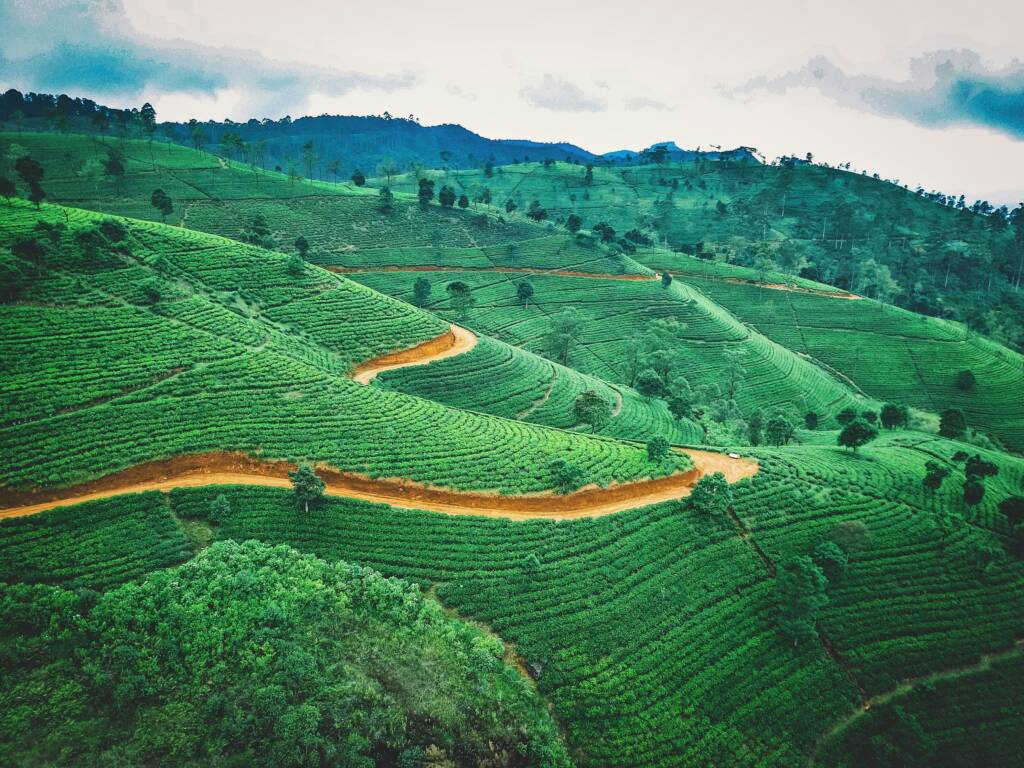
In the lush, sun-dappled hills of coffee-growing regions around the world, a quiet crisis is unfolding—one that threatens the very essence of our beloved morning brew. As temperatures rise and weather patterns become increasingly unpredictable, the effects of global warming on coffee production are becoming more pronounced.
Changing Climates, Changing Landscapes
Coffee is a delicate crop, thriving in specific climatic conditions that include moderate temperatures, consistent rainfall, and ample sunshine. However, as global temperatures continue to climb, traditional coffee-growing regions are experiencing shifts in climate that jeopardize optimal growing conditions.
1. Rising Temperatures and Altitude Challenges
One of the most significant impacts of global warming on coffee production is the rise in temperatures. As temperatures increase, coffee plants struggle to regulate their growth and development. In many regions, this has led to a phenomenon known as “thermal migration,” where coffee farmers are forced to plant at higher altitudes to escape rising temperatures.
2. Erratic Weather Patterns
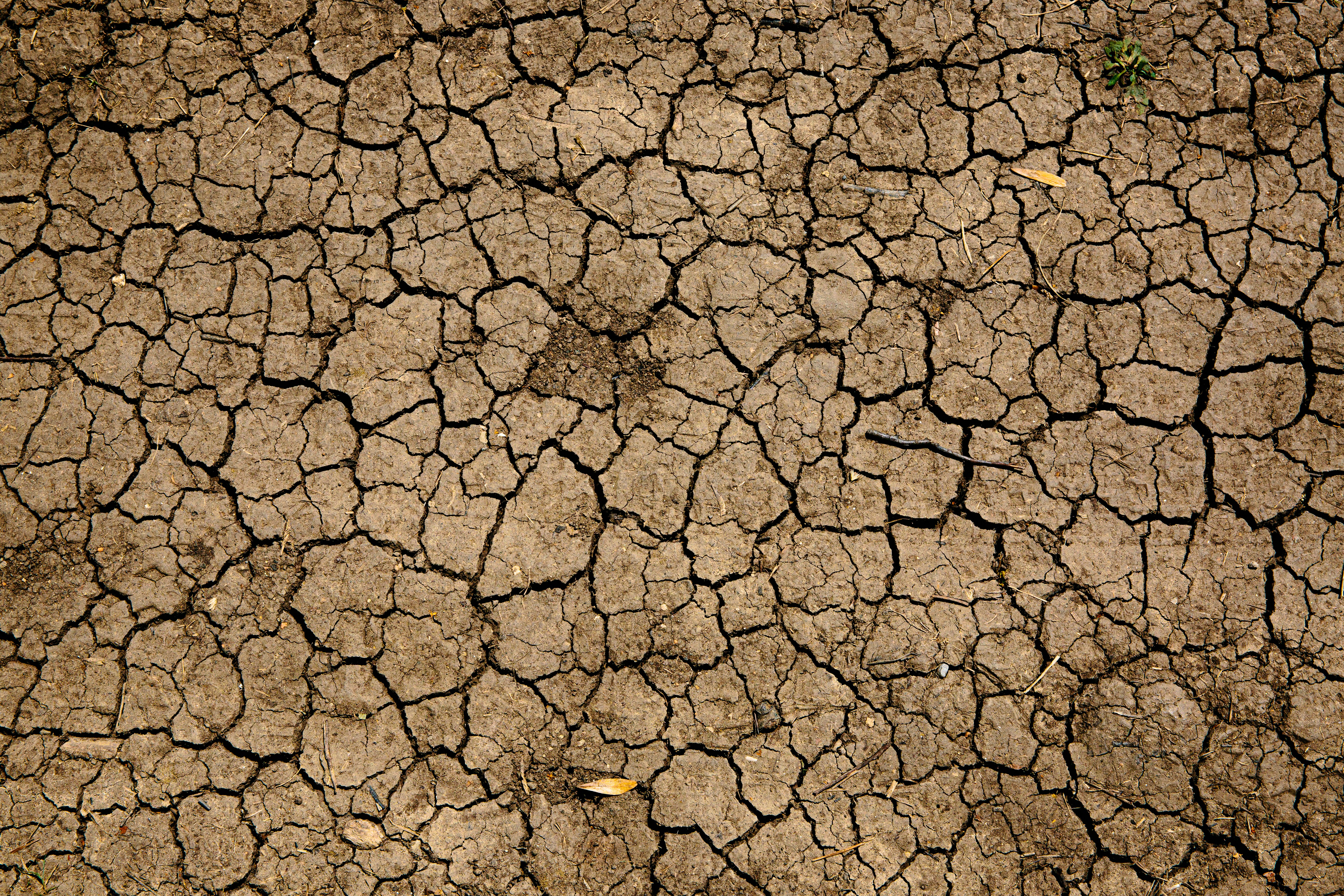
Erratic weather patterns, including droughts, floods, and unpredictable rainfall, pose another threat to coffee production. Coffee plants require a delicate balance of moisture and sunlight throughout their growth cycle. However, irregular weather events can disrupt flowering, fruit development, and ultimately yield.
3. Pests and Diseases
Global warming has exacerbated the prevalence and spread of pests and diseases that threaten coffee plants. Warmer temperatures create more hospitable environments for pests like the coffee berry borer, while changes in rainfall patterns can promote the growth of fungal diseases such as coffee leaf rust.
4. Impact on Quality and Flavor
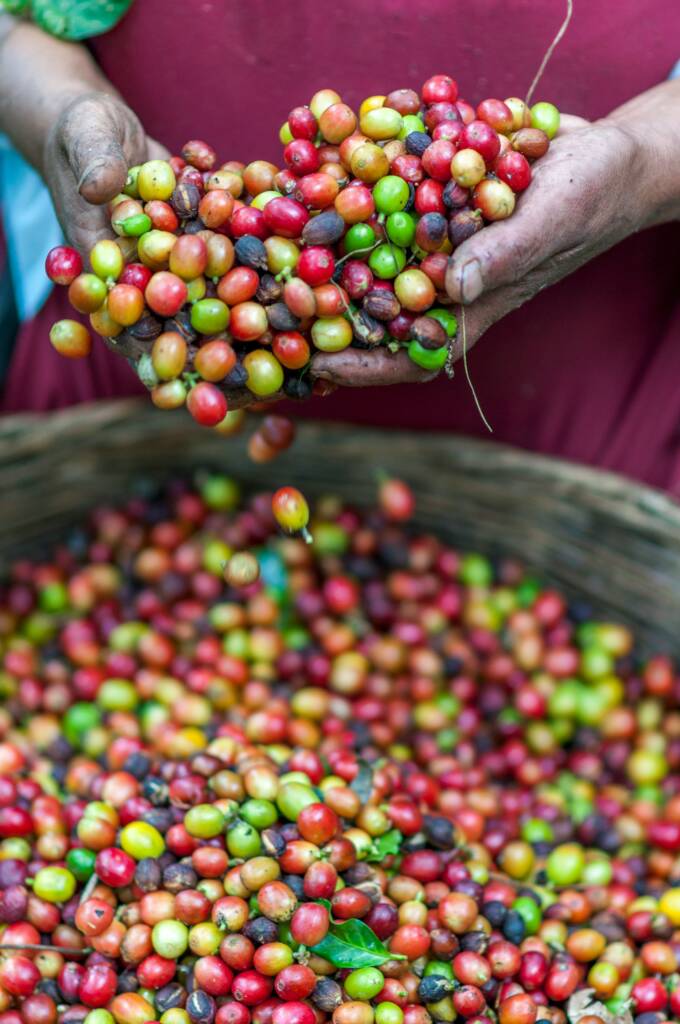
Beyond quantity, global warming also affects the quality and flavor of coffee beans. Stress-induced by climate change can alter the chemical composition of coffee cherries, leading to changes in flavor profiles and diminishing the distinctive characteristics that coffee connoisseurs cherish.
5. Economic and Social Implications
The effects of global warming on coffee production extend beyond the farm gate, impacting the livelihoods of millions of coffee farmers and their communities. Reduced yields and lower-quality harvests can lead to financial instability, food insecurity, and migration as farmers seek alternative means of income.
Stress-induced by climate change can alter the chemical composition of coffee cherries, leading to changes in flavor profiles.
Addressing the Challenge: Sustainable Solutions
In response to these challenges, coffee producers, researchers, and governments are implementing sustainable practices to mitigate the effects of global warming on coffee production. These initiatives include:
- Climate-Smart Agriculture: Adopting practices that improve soil health, water management, and biodiversity to enhance resilience to climate change.
- Shade-Grown Coffee: Promoting shade-grown coffee, which mimics natural forest ecosystems and helps regulate microclimates, reducing temperature fluctuations and conserving water.
- Research and Innovation: Investing in research to develop climate-resistant coffee varieties and sustainable farming techniques that support long-term resilience.
- Community Engagement: Empowering coffee-growing communities through education, training, and access to resources that promote sustainable livelihoods.
Looking Ahead
As we navigate the complex challenges posed by global warming, the future of coffee production depends on collective action and commitment to sustainable practices. By prioritizing resilience, biodiversity, and equitable partnerships, we can safeguard the livelihoods of coffee farmers and ensure a thriving coffee industry for generations to come.