



When it comes to coffee, two names often dominate the conversation: Arabica and Robusta. These are the two most common species of coffee beans, and each has its own unique characteristics, flavors, and uses. Whether you’re a casual coffee drinker or a passionate aficionado, understanding the differences between Arabica and Robusta can help you make an informed choice that suits your taste and preferences. Let’s dive into what sets these two coffee beans apart.
1. Origin and Growth Conditions
Arabica:
- Origin: Arabica coffee, scientifically known as Coffee arabica, is believed to have originated in the highlands of Ethiopia.
- Growing Conditions: Arabica beans thrive in high altitudes, typically between 2,000 and 6,000 feet above sea level. They require a cooler climate with consistent rainfall and well-drained soil.
- Production: Arabica beans account for approximately 60-70% of the world’s coffee production.
Robusta:
- Origin: Robusta coffee, or Coffea canephora, is native to central and western sub-Saharan Africa.
- Growing Conditions: Robusta beans are more resilient and can grow at lower altitudes, between sea level and 2,000 feet. They tolerate higher temperatures and can withstand harsher climates, including intense heat and varying rainfall.
- Production: Robusta beans make up about 30-40% of global coffee production.
2. Flavor Profile
Arabica:
- Taste: Arabica coffee is renowned for its smooth, complex flavor with a wide range of taste notes. It often exhibits fruity, floral, and sweet tones, with higher acidity.
- Aroma: Arabica beans produce a more aromatic coffee with a richer fragrance.
Robusta:
- Taste: Robusta coffee is known for its strong, bold, and more bitter flavor. It tends to have earthy, nutty, and sometimes chocolaty notes, with a fuller body and lower acidity.
- Aroma: Robusta beans have a more pungent and less refined aroma compared to Arabica
3. Caffeine Content
Arabica:
- Caffeine Level: Arabica beans contain less caffeine, typically around 1.2-1.5%. This lower caffeine content contributes to their smoother taste and lower bitterness.
Robusta:
- Caffeine Level: Robusta beans have a higher caffeine content, approximately 2.2-2.7%. This higher level of caffeine gives Robusta coffee its characteristic bitterness and also makes the plant more resistant to pests.
4. Physical Characteristics
Arabica:
- Bean Shape: Arabica beans are generally oval-shaped with a pronounced center crease.
- Size: They are slightly larger and more elongated than Robusta beans.
Robusta:
- Bean Shape: Robusta beans are more rounded and have a less distinct center crease.
- Size: They are smaller and more compact compared to Arabica beans.
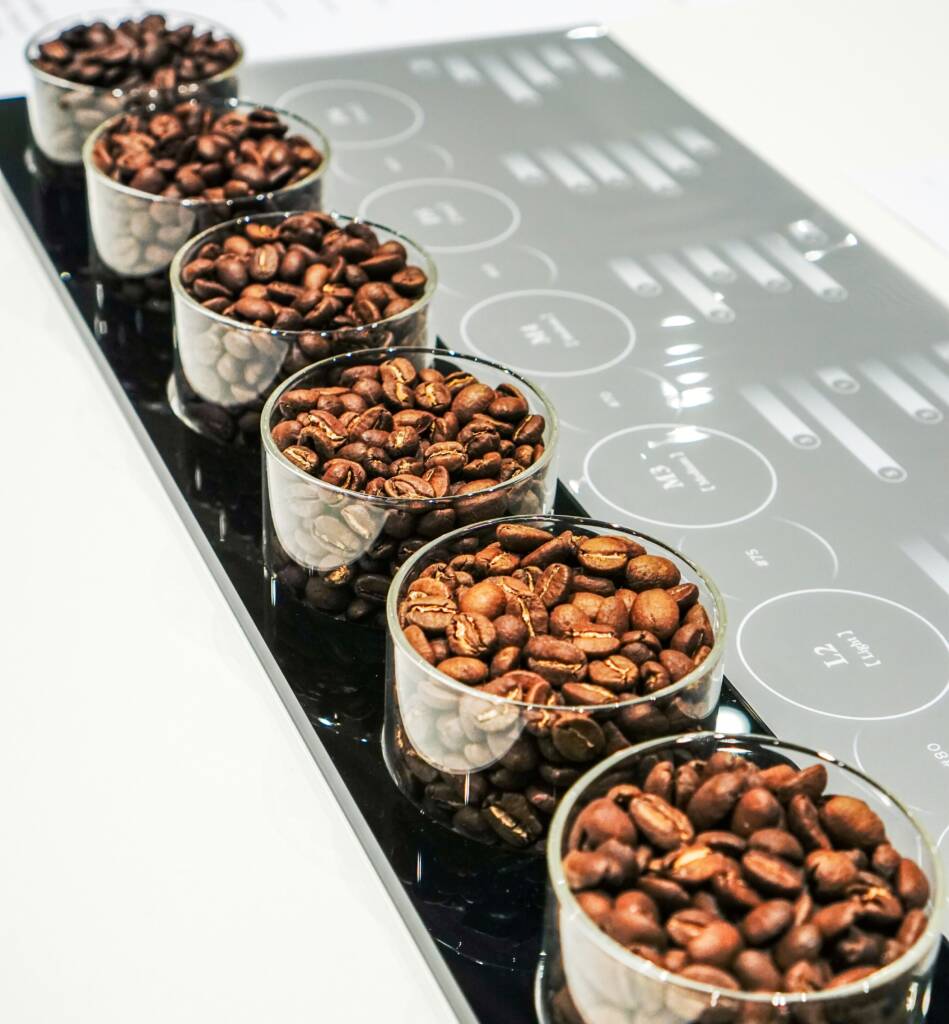
Arabica coffee is renowned for its smooth, complex flavor with a wide range of taste notes
5. Uses and Preferences
Arabica:
- Preferred Use: Arabica is the bean of choice for specialty coffees and single-origin brews due to its nuanced flavor profile.
- Popular Regions: Some of the most famous Arabica-growing regions include Ethiopia, Colombia, Guatemala, and Brazil.
Robusta:
- Preferred Use: Robusta is commonly used in espresso blends and instant coffee because of its strong flavor and rich crema production.
- Popular Regions: Major Robusta-producing countries include Vietnam, Brazil, Indonesia, and Uganda.
Conclusion: Which One Should You Choose?
The choice between Arabica and Robusta ultimately comes down to your personal taste preferences and how you like your coffee. If you enjoy a smooth, complex cup with fruity and floral notes, Arabica is likely the best choice for you. On the other hand, if you prefer a bold, strong coffee with a higher caffeine kick, Robusta might be more to your liking.
For many coffee enthusiasts, a blend of both Arabica and Robusta can offer a balanced and satisfying cup, combining the best qualities of each. Experimenting with different beans and blends will help you discover the perfect coffee experience that suits your palate.