


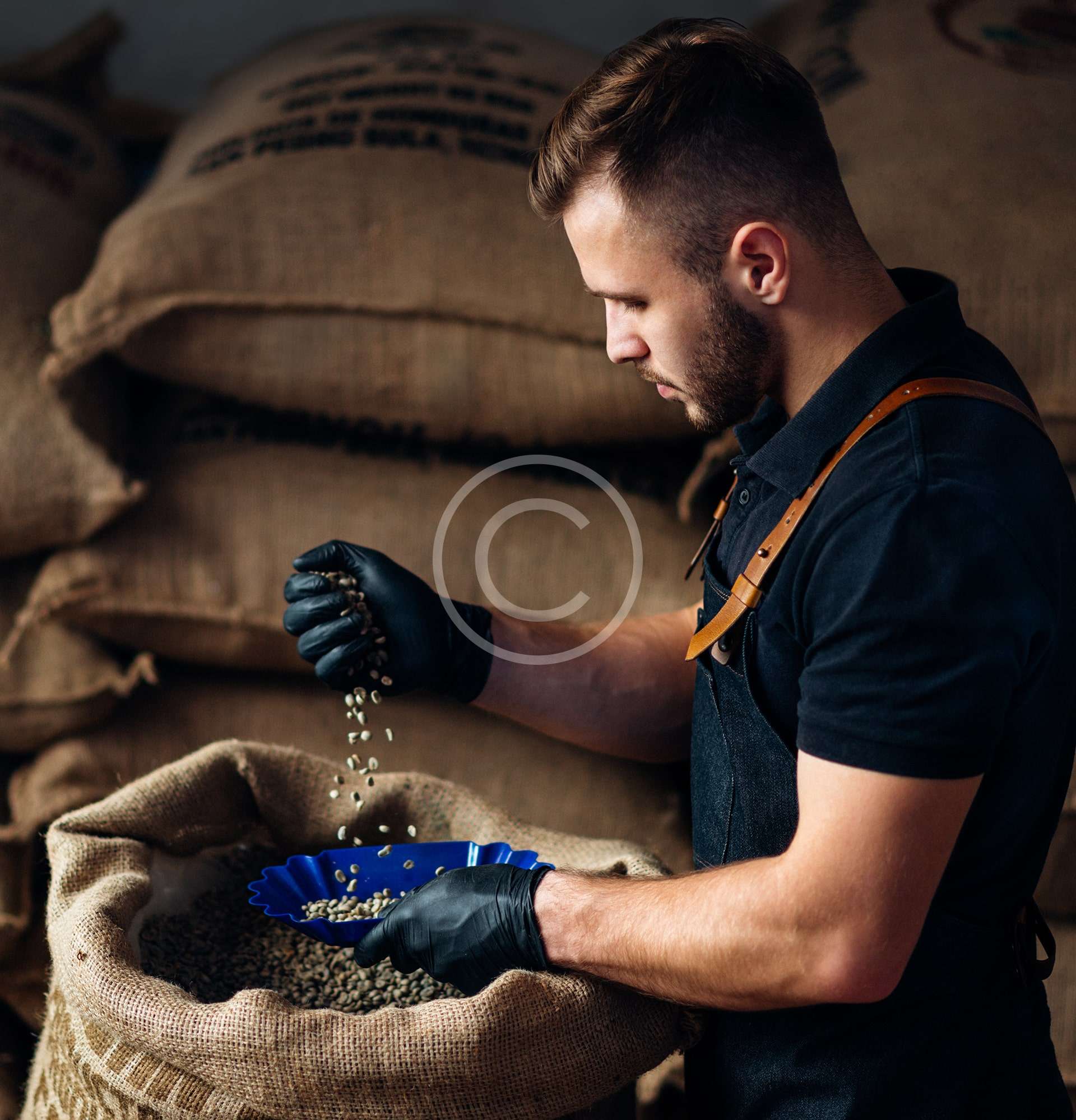
Roasting and storing coffee beans properly is crucial for maintaining their freshness, flavor, and aroma. At Ithaga Coffee Co., we believe that great coffee starts with quality beans and continues with proper handling. Here are 10 safe ways to roast and store your coffee beans to ensure you get the best cup of coffee every time.
Roasting Coffee Beans
- Choose Quality Beans
- Start with high-quality, single-origin beans like our Kenyan coffee. The quality of the beans directly impacts the flavor of your coffee.
- Use a Professional Roaster
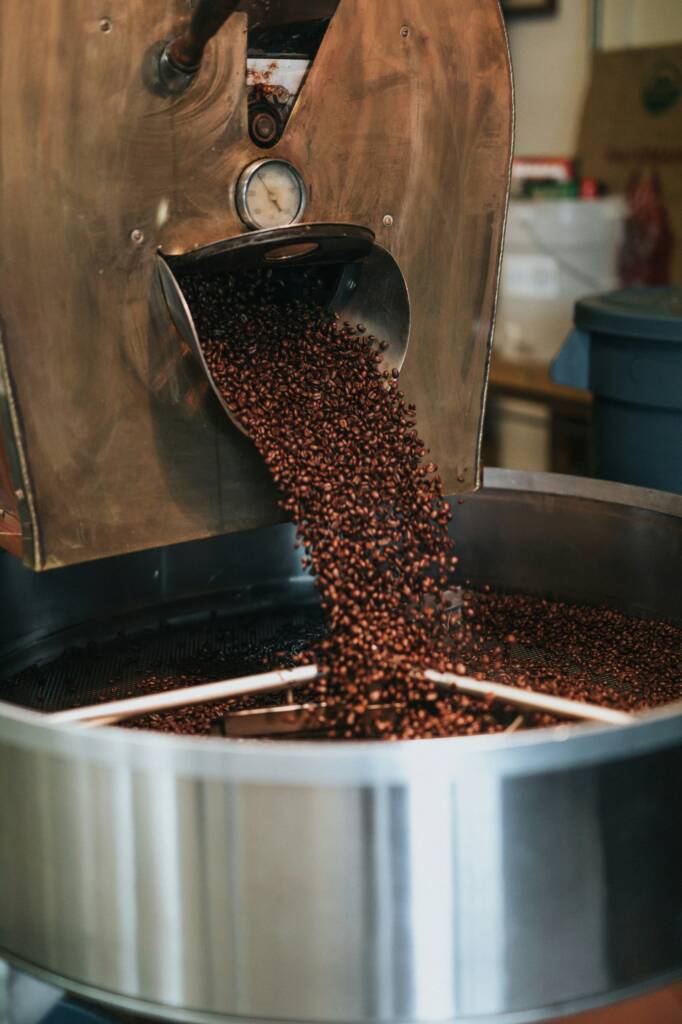
- Invest in a good coffee roaster if you plan to roast beans regularly. Professional roasters offer precise control over temperature and time, ensuring consistent results.
Roast in a Well-Ventilated Area
- Roasting coffee beans produces smoke and carbon dioxide. Make sure to roast in a well-ventilated area or use an outdoor setup to avoid inhaling fumes and to keep your kitchen smoke-free.
Monitor the Temperature
- Maintain a temperature range between 370°F and 540°F (188°C and 282°C). Use a thermometer to monitor the heat and avoid burning the beans.
Agitate the Beans
- Regularly stir or shake the beans during roasting to ensure even heat distribution. Uneven roasting can result in beans with burnt spots or underdeveloped flavors.
We believe that great coffee starts with quality beans and continues with proper handling.
- Cool the Beans Quickly
- After roasting, cool the beans rapidly to stop the roasting process. Spread them on a baking sheet or use a dedicated coffee bean cooler. Rapid cooling preserves the desired roast level and flavor profile.
Storing Coffee Beans
- Store in Airtight Containers
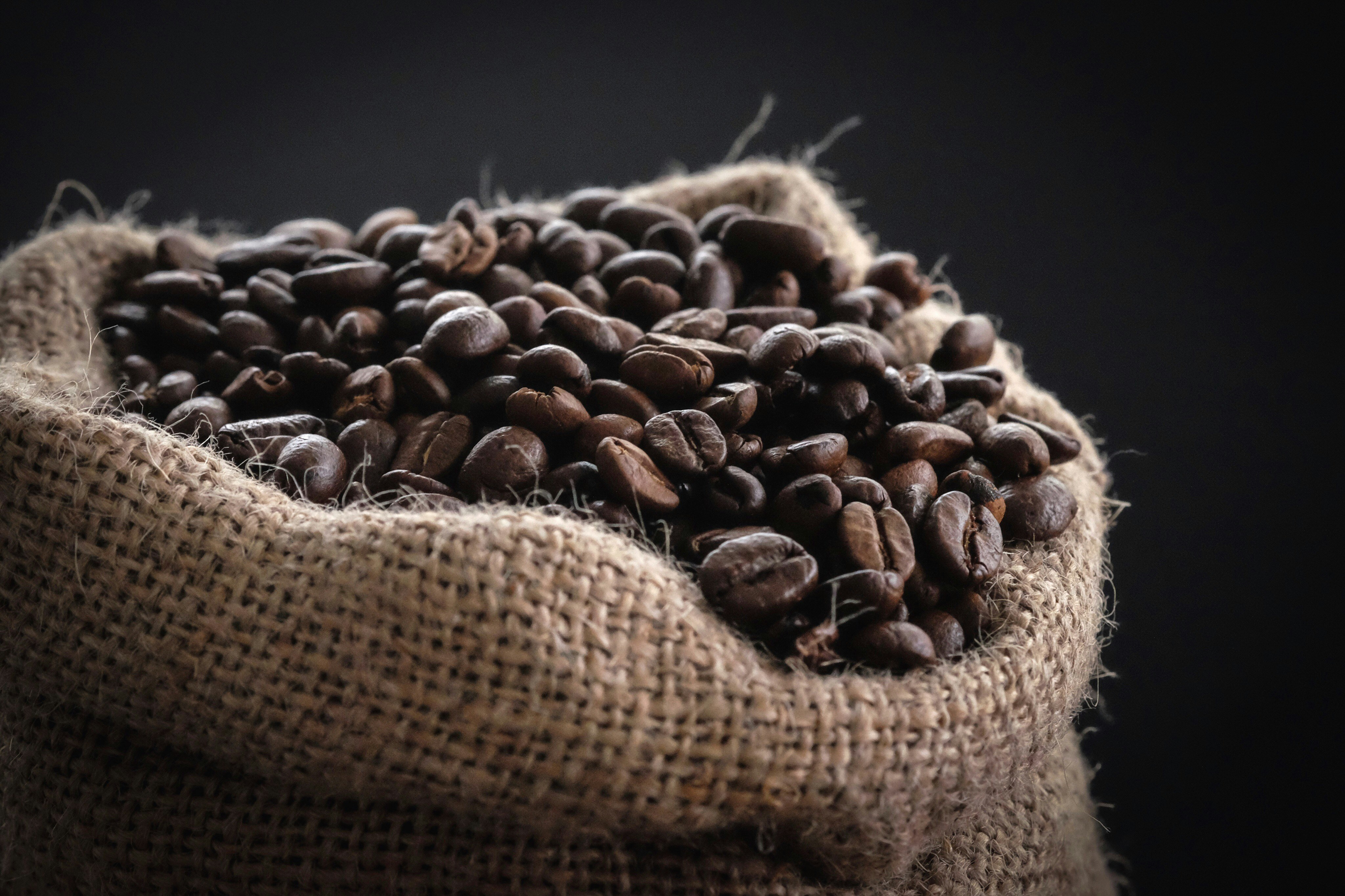
- Once the beans have cooled, store them in airtight containers to protect them from air, moisture, and odors. Oxygen is the enemy of fresh coffee, as it can cause the beans to go stale.
- Keep Away from Light
- Light can degrade coffee beans over time. Store your coffee in opaque containers or in a dark, cool place to maintain freshness.
- Avoid Heat and Humidity
- Coffee beans should be stored at room temperature, away from heat sources and humidity. High temperatures and moisture can accelerate the staling process and negatively impact the beans’ flavor.
- Use the Right Amount
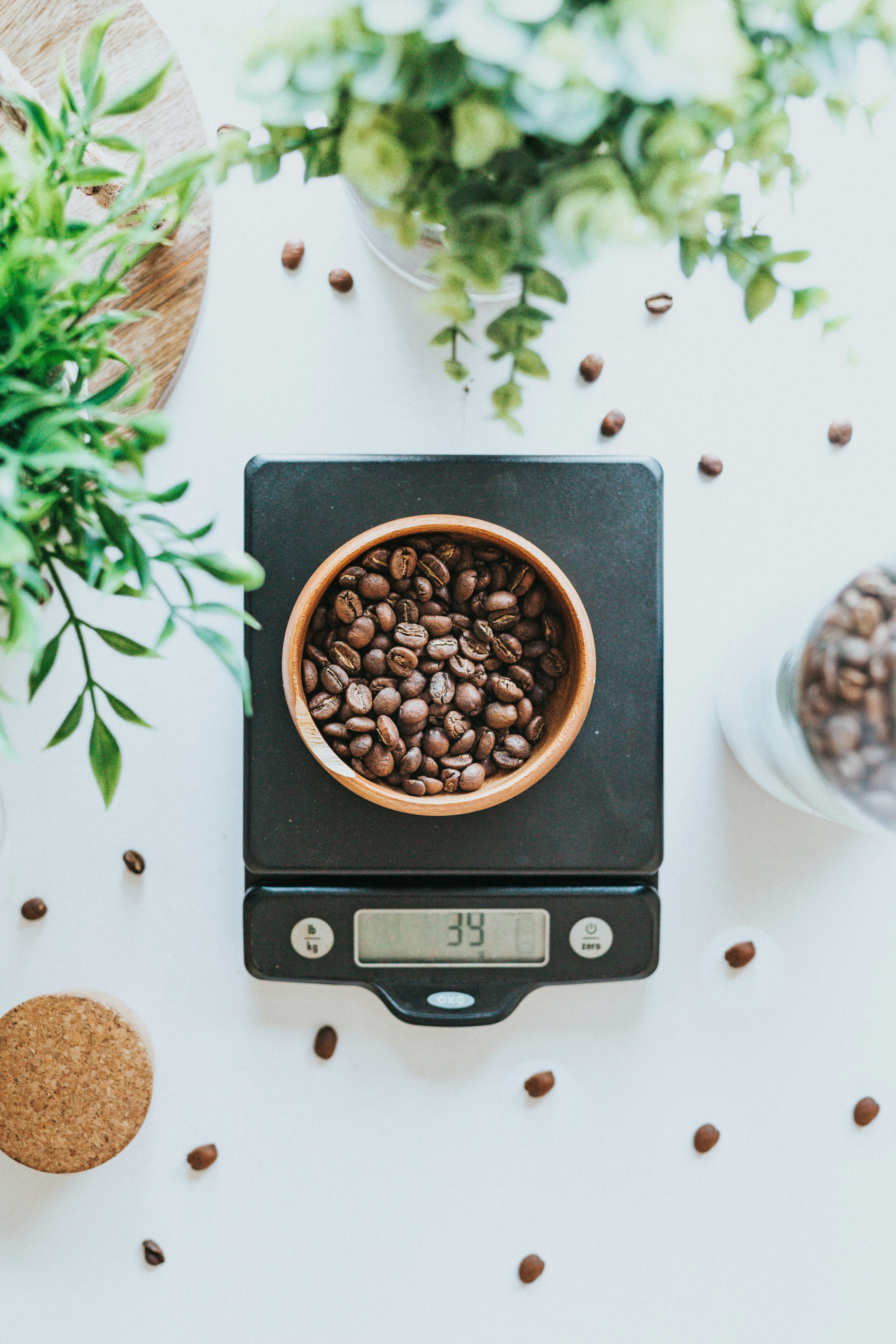
- Only grind the amount of coffee you plan to use immediately. Whole beans stay fresh longer than ground coffee. Grinding just before brewing ensures the best flavor and aroma.
Bonus Tips for Coffee Lovers
Rotate Your Stock
- To ensure you’re always drinking the freshest coffee, use the first-in, first-out method. This means using older beans before newer ones.
Vacuum Seal for Long-Term Storage
- If you need to store coffee beans for an extended period, consider vacuum-sealing them. This removes air and prolongs the freshness of the beans.
Use Desiccant Packs
- Place a food-safe desiccant pack in the storage container to absorb any excess moisture and keep the beans dry.
Freeze with Caution
- While not ideal for everyday use, freezing coffee beans can extend their shelf life. Use airtight, freezer-safe bags, and thaw the beans completely before grinding.
Conclusion
Properly roasting and storing your coffee beans is essential for achieving that perfect cup of coffee. By following these tips, you can ensure your coffee stays fresh, flavorful, and aromatic. At Ithaga Coffee Co., we’re dedicated to helping you enjoy the best coffee experience possible. Try our high-quality Kenyan beans and see the difference proper roasting and storage can make. Happy brewing!